
9 Smart Time Management Tips for Dental Licensure Exams

Written By:
Dr. Samantha Lynch
DDS
Table of Content:
- Dental Professionals: 9 Smart Time Management Tips for Licensure Exams
- Create a Study Work Life Blueprint
- Use the Exam Blueprint to Prioritize High-Yield Topics
- Take Timely Breaks to Improve Retention
- Build a Productive Study Environment
- Prioritize Physical and Mental Health
- Build a Learning Environment and Seek Support
- Set Weekly Goals and Reflect Honestly
- Stay Updated with Exam Guidelines and Changes
- Take the Exam When You Are Truly Ready
- How Simpli Boards Helps Dental Professionals Prepare Smarter
Dental Professionals: 9 Smart Time Management Tips for Licensure Exams
Preparing for the INBDE, AFK, or any dental licensure exam while managing work, clinic duties, family responsibilities, and personal life can feel overwhelming. For many dental professionals, the challenge is not only understanding the syllabus but also finding the time, energy, and discipline to study consistently.
Whether you are an international dentist preparing for the next stage of your career in the USA or Canada, or a recent graduate planning your licensure journey, one thing is clear: success does not come from studying all day without direction. It comes from planning smartly, protecting your focus, and building a routine that supports both your exam goals and your overall well-being.
Dental licensure exams are demanding because they test more than memory. They require clinical reasoning, decision-making, time management, and the ability to stay calm under pressure. If your preparation is scattered, your confidence will suffer. But if your preparation is structured, your daily progress becomes easier to track, and your exam anxiety reduces naturally.
Here are 9 smart time management tips for dental licensure exams to help you balance study, work, life, and health without burning out.
Create a Study Work Life Blueprint
Before you open your books, open your calendar.
The first step in effective preparation is understanding where your time actually goes. Many dental professionals feel they “do not have enough time,” but the real problem is often lack of visibility. You may be spending hours on clinic work, commuting, household duties, family responsibilities and social obligations without realizing how fragmented your week has become.
Start by writing down your fixed commitments. These include your work hours, clinic schedule, family duties, sleep time, meals and travel. Once these are visible, identify realistic study windows. Some students study best early in the morning before work. Others perform better at night after dinner. The key is not copying someone else’s schedule but building one that fits your life.
Treat study time like a clinical appointment. You would not casually cancel a patient appointment because you felt lazy. Give your study sessions the same respect. Block them on your calendar and make them non-negotiable.
A strong blueprint should include:
- Daily study slots
- Weekly subject targets
- Mock test days
- Breaks and recovery time
- Personal commitments
- Review sessions
This helps you avoid random studying. Instead of asking, “What should I study today?” you begin each day with clarity.
For example, Monday could be pharmacology review, Tuesday could be oral pathology questions, Wednesday could be mock test analysis, and Thursday could be weak-topic revision. Over time, this structure creates momentum.
Remember, your goal is not to create a perfect schedule. Your goal is to create a realistic schedule that you can follow consistently
Use the Exam Blueprint to Prioritize High-Yield Topics
One of the biggest mistakes dental professionals make during exam preparation is trying to study everything with equal intensity. Dental subjects are vast. If you treat every topic as equally important, you may waste weeks on low-yield areas while missing concepts that appear frequently in the exam.
This is why the exam blueprint is so important.
Whether you are preparing for INBDE, AFK, or another licensure exam, begin by understanding what the exam actually tests. Look at the structure, subject distribution, question style, and high-yield areas. This allows you to study strategically rather than emotionally.
High-yield topics often include clinical decision-making, pharmacology, oral pathology, periodontology, medical emergencies, infection control, restorative dentistry, radiology, ethics, and patient management. These topics require not only knowledge but application.
To retain high-yield material, use active learning tools:
- Flashcards for quick recall
- Wall stickies for repeated revision
- Short summary sheets
- Topic-wise question banks
- Mock tests
- Error logs
Wall stickies may sound simple, but they are powerful. If you struggle with drug interactions, emergency protocols, or classification systems, place them where you can see them every day. Repeated exposure improves memory.
Mock exams are equally important. They show you where your real weaknesses are. Many students assume they are weak in one subject, but mock results reveal a different pattern. For example, you may think you are poor in oral pathology, but your actual errors may be due to misreading clinical questions.
This is why data-driven preparation matters. Use mock results to adjust your weekly plan.
Smart preparation means knowing what to study, when to study it, and how often to revise it.
Take Timely Breaks to Improve Retention
Studying for long hours without breaks may feel productive, but it often reduces retention. Your brain needs pauses to process, organize, and store information. Without breaks, fatigue builds up, concentration drops, and mistakes increase.
Dental professionals are especially vulnerable to this because many already work long clinical hours. If you try to study continuously after a tiring day, your brain may remain physically present but mentally absent.
Use focused study blocks instead.
A simple method is the Pomodoro Technique:
- Study for 25 minutes
- Take a 5-minute break
- Repeat four times
- Take a longer 20 to 30-minute break
For longer study sessions, you can use 50-minute study blocks followed by 10-minute breaks. Choose the rhythm that works best for your energy level.
During breaks, avoid activities that overstimulate your brain. Scrolling social media for five minutes can easily become thirty minutes and leave you more distracted than before. Instead, stretch, drink water, walk around, breathe deeply, or rest your eyes.
Breaks are not wasted time. They are part of the study process.
Short breaks help with:
- Better concentration
- Improved memory
- Reduced eye strain
- Lower stress
- Better mood
- Increased study stamina
If you feel guilty taking breaks, remind yourself that exam preparation is a marathon, not a punishment. Sustainable study wins over extreme study.
Build a Productive Study Environment
Your environment directly affects your focus. If your study space is cluttered, noisy, or full of distractions, your brain will struggle to settle into deep work.
Create a dedicated study space, even if it is just one corner of your room. Keep only essential materials on your desk: notes, laptop, question bank, flashcards, water bottle, and stationery. Remove unrelated items that pull your attention away.
Your phone is one of the biggest distractions. Silence notifications or keep your phone in another room during study blocks. If you use your phone for flashcards, switch on focus mode.
A productive study environment should be:
- Clean
- Quiet
- Well-lit
- Comfortable but not too relaxed
- Free from unnecessary distractions
- Ready before your study time begins
One practical habit is preparing your study desk at night for the next day. Keep the books, notes, and topics ready before sleeping. This removes decision fatigue in the morning. When you wake up, you already know what to study.
This small habit creates a powerful psychological signal: “I am ready.”
If you share space with family or roommates, communicate your study hours clearly. Let them know when you should not be disturbed unless urgent.
Your environment should support your goal, not fight against it.
Prioritize Physical and Mental Health
Burnout is real, especially for healthcare professionals. Many dental exam aspirants push themselves too hard, believing that sleep, exercise, and meals can wait until after the exam. This approach often backfires.
Your body is the foundation of your preparation. If your body is exhausted, your brain will not retain information properly.
Sleep is especially important. During sleep, your brain consolidates memory. This means what you study during the day becomes stronger at night. If you consistently sleep poorly, your recall, focus, and emotional control suffer.
Aim for at least six hours of sleep, and ideally more when possible. Avoid sacrificing sleep regularly for late-night cramming.
Add small health habits into your routine:
- 15 to 20-minute walks
- Light stretching
- Short workouts
- Deep breathing
- Meditation
- Hydration
- Nutritious meals
- Reduced caffeine overload
You do not need an intense fitness routine. Even a short daily walk can improve mood, circulation, and mental clarity.
Mental health matters too. Preparing for licensure exams can trigger anxiety, comparison, self-doubt, and fear of failure. These feelings are common, but they should not control your journey.
Take 5 to 10 minutes daily for mindfulness, journaling, prayer, or quiet reflection. Talk to someone when pressure builds up. You are not weak for needing support.
Healthy preparation is not only about passing the exam. It is about becoming a stronger, more balanced professional.
Build a Learning Environment and Seek Support
You do not have to prepare alone.
Many dental professionals isolate themselves during exam prep, thinking they must handle everything independently. But isolation can increase stress and reduce motivation. A supportive learning environment can make your preparation more consistent and emotionally manageable.
Join study groups, online communities, or mentor-led programs where you can discuss doubts, share resources, and stay accountable. A good study group is not about chatting endlessly. It is about focused discussion, shared progress, and mutual encouragement.
An accountability partner can also help. This could be a friend, colleague, or fellow aspirant. Share weekly goals and check in regularly. Knowing someone else is tracking progress can motivate you to stay consistent.
Mentorship is equally important. Experienced mentors can help you avoid common mistakes, choose the right resources, interpret mock scores, and adjust your strategy. Sometimes, one good mentor session can save weeks of confusion.
Support systems help with:
- Doubt clarification
- Motivation
- Accountability
- Resource selection
- Stress management
- Exam strategy
- Confidence building
At Simpli Boards, this is one of the major reasons students benefit from structured guidance. They are not left alone with random notes and scattered videos. They receive direction, mentorship, mock tests, and a community that understands the journey.
When you surround yourself with the right people, preparation becomes less lonely and more focused.
Set Weekly Goals and Reflect Honestly
A long exam journey can feel endless if you do not break it into smaller goals. Weekly planning helps you convert a large syllabus into manageable targets.
At the beginning of each week, write down two to three clear academic goals. Avoid vague goals like “study pharmacology.” Instead, write:
- Complete antibiotics and analgesics
- Attempt 100 pharmacology questions
- Review all wrong answers
- Revise emergency drugs twice
Specific goals are easier to track.
Every day, check whether you moved closer to your weekly target. You do not need to be perfect every day, but you need to stay aware. If you miss a target, do not panic. Adjust the next day.
At the end of the week, reflect:
- What did I complete?
- What did I avoid?
- Which topic felt difficult?
- Did I waste time anywhere?
- What should I change next week?
Reflection turns mistakes into improvement. Without reflection, you may repeat the same ineffective habits for months.
Weekly reflection also helps prevent emotional studying. Many students keep rereading topics they like because it feels comfortable. But the exam rewards improvement in weak areas. Your weekly review forces you to face the truth.
Think of your preparation like patient treatment planning. You assess, diagnose, plan, treat, and review. Your study plan should work the same way.
Stay Updated with Exam Guidelines and Changes
Sometimes students become so focused on studying that they forget to check official updates. This can create unnecessary surprises.
Exam guidelines, formats, scoring rules, eligibility requirements, and documentation processes may change. If you are preparing for INBDE, AFK, NDEB, ADAT, or TOEFL, always stay connected with official websites and trusted mentors.
Small updates can make a big difference. A changed deadline, updated exam format, revised document requirement, or altered scoring system can affect your preparation and application timeline.
Make it a habit to check official sources regularly. You can set one day each month to review updates. If you are part of a structured prep program, your mentors may also alert you to important changes.
Stay updated on:
- Exam format
- Eligibility rules
- Application deadlines
- Score validity
- Testing windows
- Required documents
- Retake rules
- Guideline changes
This habit reduces uncertainty. It also protects you from depending on outdated information from random online groups.
Reliable preparation is not only about what you study. It is also about staying aware of the rules of the exam.
Take the Exam When You Are Truly Ready
A long exam journey can feel endless if you do not break it into smaller goals. Weekly planning helps you convert a large syllabus into manageable targets.
At the beginning of each week, write down two to three clear academic goals. Avoid vague goals like “study pharmacology.” Instead, write:
Every candidate’s journey is different. Some students take licensure exams soon after graduation. Others return after years of clinical practice, family responsibilities, immigration delays, or career breaks. Your timeline does not have to match someone else’s.
One of the most damaging things you can do is rush into the exam because your peer is taking it.
Readiness should be based on your preparation, mock performance, confidence, and consistency—not pressure from others.
Ask yourself:
- Have I completed the major high-yield topics?
- Am I scoring consistently in mock tests?
- Do I understand my mistakes?
- Can I manage time under exam conditions?
- Am I mentally prepared for test day?
If the answer is no, give yourself more time. Delaying an exam by a few weeks is better than taking it unprepared and losing confidence.
At the same time, do not wait forever out of fear. There is a difference between strategic delay and avoidance. If you are prepared but anxious, that is normal. No one feels 100% ready.
Use mock exams as your readiness indicator. If your scores are improving and your mistakes are reducing, you are moving in the right direction.
Your exam date should be a decision based on evidence, not emotion.
How Simpli Boards Helps Dental Professionals Prepare Smarter
Your licensure journey is not just about passing an exam. It is about building the foundation for your future career in the USA or Canada. The discipline, clinical reasoning, and time management skills you develop during preparation will stay with you long after the exam is over.
Simpli Boards supports dental professionals through structured study materials, high-yield notes, mock exams, mentor guidance, and focused preparation strategies. Instead of guessing what to study, students receive a clear roadmap. Instead of preparing alone, they receive support from mentors who understand the challenges of international dentists and licensure exams.
With Simpli Boards, you can:
- Follow structured notes
- Practice with mock exams
- Identify weak areas
- Get mentor guidance
- Build confidence
- Stay accountable
- Prepare with less confusion
The goal is simple: do not just prepare harder, prepare smarter.
If you are preparing for INBDE, AFK, or another dental licensure exam, this is the right time to build a plan that supports your work, health, and long-term success
INBDE And AFK Courses offered by Simpli Boards
-
Select options This product has multiple variants. The options may be chosen on the product page Sale
AFK Mock Test
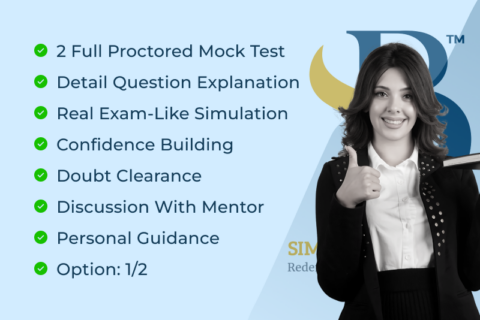
Number of Mock Tests to choose- 1/2/3 Channel: 100% Online Mock Test …CA $400.00 – CA $1,000.00Price range: CA $400.00 through CA $1,000.00 Select options This product has multiple variants. The options may be chosen on the product page -
AFK Advance Plus Premium
Channel: 100% Online Batch Starts In: September | April Includes– 480 hours …CA $2,500.00Original price was: CA $2,500.00.CA $2,000.00Current price is: CA $2,000.00. Add to cart -
Select options This product has multiple variants. The options may be chosen on the product page Sale

INBDE Mock Test
500 Questions based on current exam pattern Detailed discussion of 500 …CA $225.00 – CA $450.00Price range: CA $225.00 through CA $450.00 Select options This product has multiple variants. The options may be chosen on the product page -
INBDE Advance Plus Premium
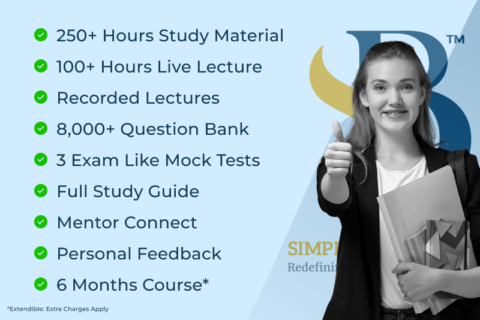
Simpli Notes: 250+ Hours Study Material Lecture Videos Simpli Lecture: 100+ Hours …CA $2,250.00Original price was: CA $2,250.00.CA $1,345.00Current price is: CA $1,345.00. Add to cart -
INBDE Advance Plus
Simpli Notes: 250+ Hours Study Material Simpli Lecture: 100+ Hours Live …CA $1,650.00Original price was: CA $1,650.00.CA $970.00Current price is: CA $970.00. Add to cart -
INBDE Advance
Simpli Notes: 250+ Hours Study Material Simpli Tests: 6,000+ Question Bank Elite …CA $900.00Original price was: CA $900.00.CA $520.00Current price is: CA $520.00. Add to cart